


Introduction
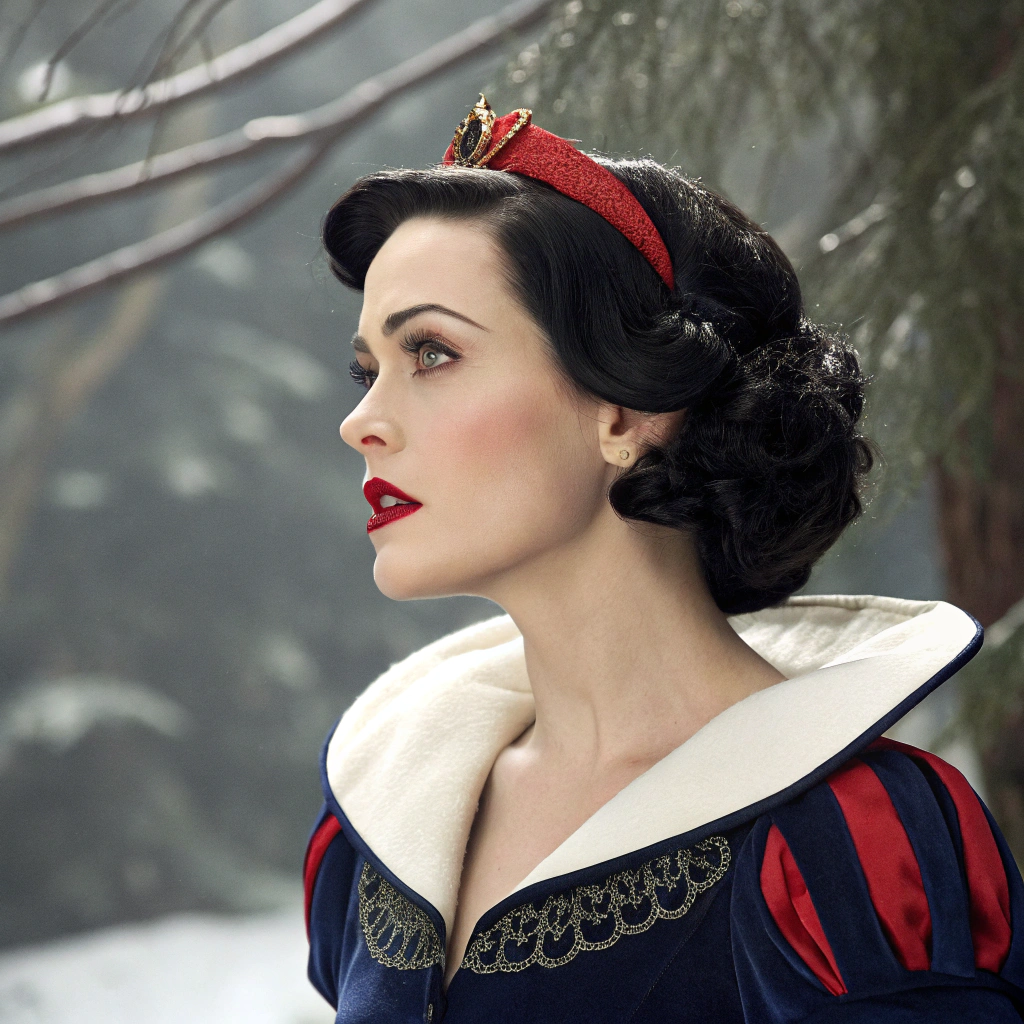
The tale of Snow White endures because its conflict feels timeless and human. At the center stands the snow white antagonist, a figure whose fear of losing power drives every dark choice. Known as The Evil Queen, she consults the magic mirror to confirm her worth, only to hear a truth she cannot accept. Through this tension, the story explores vanity, rivalry, and fragile identity. Readers remain fascinated because the snow white antagonist reflects real emotions taken to extremes. This introduction sets the stage for understanding how obsession shapes the narrative and why this villain still resonates across generations today.
Who Is the Antagonist in Snow White?
When people ask who is the antagonist in Snow White, the answer feels simple but the meaning runs deep. The story’s central threat is The Evil Queen, also known as Snow White’s stepmother, a figure driven by fear of losing beauty and power. You quickly sense danger when she consults the magic mirror, desperate to hear she is still the fairest of them all. This snow white antagonist isn’t just cruel for drama’s sake. She reflects a human weakness many recognize: the terror of being replaced. Through this lens, the antagonist in Snow White becomes more than a fairy tale problem. She becomes a warning wrapped in dark fantasy. As a storybook antagonist, her presence shapes every major choice Snow White makes, pushing the story toward growth, escape, and eventual justice.
The Evil Queen: Main Snow White Antagonist Explained
The evil queen snow white stands as one of fiction’s most recognizable villains. As the snow white main villain, she blends royal authority with dark magic, creating a chilling mix of elegance and menace. Unlike many villains, the evil queen in Snow White doesn’t rely on armies or chaos. Instead, she uses intelligence, disguise, and manipulation. Her calm voice contrasts sharply with her violent intent, which makes her more unsettling. The snow white evil queen believes beauty equals worth, and that belief fuels her downfall. This classic Disney villain later shaped how animated antagonists were written, proving that quiet obsession can feel more frightening than loud cruelty. You don’t just watch her schemes unfold. You feel the tension every time she appears.
Why the Evil Queen Is the Central Villain in Snow White
Every fairy tale needs a force that pushes the hero forward. In this story, the snow white villain fills that role perfectly. The snow white stepmother villain isn’t reacting to Snow White’s actions. She attacks first, driven by pride and fear. Her obsession with ranking beauty turns a harmless girl into a perceived rival. This makes the snow white fairy tale antagonist deeply personal. The conflict isn’t about kingdoms or wealth. It’s about identity. Because of that, the threat feels closer to home. The Queen’s decisions force Snow White to grow up fast. That pressure transforms innocence into quiet strength, which is why this villain feels essential rather than optional.
Relationship Between Snow White and the Antagonist
The bond between Snow White and her enemy feels cold and unnatural. As Snow White’s stepmother, the Queen should offer care. Instead, she becomes a predator. This twisted family dynamic intensifies the emotional weight of the story. The snow white antagonist jealousy grows stronger because the threat comes from inside the home. You see how trust turns dangerous. Snow White doesn’t understand the danger until it’s too late, which makes her forest escape feel desperate and real. This relationship highlights how betrayal cuts deeper when it wears a familiar face.
The Magic Mirror and Its Role in the Snow White Antagonist Story
The magic mirror snow white villain element acts like fuel on a fire. The mirror doesn’t lie, but it doesn’t soften the truth either. Each time it speaks, the Queen’s vanity obsession grows sharper. The mirror becomes her judge, her rival, and her excuse. Without it, the snow white antagonist motivation might fade. With it, obsession feels justified. This object turns private insecurity into public action. It proves that words, even truthful ones, can destroy when filtered through pride.
Jealousy and Vanity: Core Traits of the Snow White Antagonist
At the heart of the story lies envy and jealousy. These emotions shape every cruel choice the Queen makes. Her evil queen vanity blinds her to reason. She measures life through appearance, ignoring kindness or wisdom. This mindset creates the famous theme of inner ugliness vs outer beauty. While Snow White grows stronger through humility, the Queen shrinks under obsession. The contrast teaches more than fear. It teaches balance.
How the Snow White Antagonist Drives the Plot Forward
Nothing moves in the story unless the Queen acts. As the snow white antagonist, she triggers the flight into the woods and the meeting with the seven dwarfs. Every turning point traces back to her schemes. Without her presence, Snow White would never leave the castle or discover her own resilience. The villain’s pressure creates the hero’s journey, proving that conflict fuels growth.
The Poisoned Apple: Most Iconic Act of the Snow White Antagonist
Few symbols feel as chilling as the poisoned apple snow white moment. Disguised as a disguised old woman, the Queen hides cruelty behind kindness. This act shows her patience and planning. The apple looks harmless, which mirrors how danger often appears in real life. This scene cements her role as a true fairy tale villain and stays in memory long after the story ends.
Symbolism Behind the Evil Queen in Snow White
The evil queen symbolism runs deeper than simple evil. She represents fear of aging and loss of control. Her downfall warns against toxic beauty standards and shallow self worth. Through her, the story questions what society values and what it destroys in the process.
Snow White Antagonist in the Brothers Grimm Fairy Tale
In the brothers grimm snow white antagonist version, the Queen feels harsher and less softened. Punishment comes brutally, reflecting older moral storytelling. This version emphasizes consequence over comfort, reinforcing the moral lesson behind the tale.
Disney’s Portrayal of the Snow White Antagonist
The disney snow white antagonist adds theatrical flair and emotional depth. Animation gave the Queen elegance and fearsome presence, shaping the modern villain archetype. This portrayal helped define how animated villains behave even today.
Differences Between Classic and Modern Snow White Antagonists
Modern retellings sometimes humanize the Queen. They explore character motivation and emotional wounds. While the threat remains, empathy enters the picture. This shift reflects changing views on morality and redemption.
Why the Snow White Antagonist Is One of the Most Famous Villains
The Queen’s fame comes from simplicity and depth combined. She is easy to recognize but hard to forget. Her calm cruelty makes her timeless. That balance secures her place as a legendary snow white villain legacy.
Lessons and Moral Meaning of the Snow White Antagonist
The story warns against obsession and comparison. It reminds you that chasing perfection leads to ruin. True strength grows from kindness and courage, not mirrors or crowns.
Cultural Impact and Legacy of the Snow White Antagonist
The Queen’s influence stretches across films, books, and fashion. Her cultural legacy proves that a well written villain can outlive the hero. Long after the story ends, her shadow still shapes how evil is portrayed.
Conclusion
In the end, the story’s power comes from how the snow white antagonist leaves a lasting impression. Her schemes, including the poisoned apple, reveal how obsession corrodes judgment and compassion. As The Evil Queen falls, the tale restores balance and hope, reminding readers that innocence can survive cruelty. The snow white antagonist also shapes the story’s cultural legacy, influencing how villains appear in books and film today. This conclusion shows why the narrative still matters. It warns against vanity, celebrates resilience, and proves that even dark characters can teach enduring lessons to every generation long after the final page closes.
FAQ’s
Who is the main antagonist in Snow White and what drives her actions?
The main antagonist is The Evil Queen, Snow White’s stepmother, whose fear of losing beauty and power motivates every decision. Her obsession with being the “fairest of them all” drives her jealousy and shapes the story’s central conflict.
How does the Snow White antagonist influence the plot?
The snow white antagonist sets the story in motion by threatening Snow White’s safety, forcing her to flee into the forest. Her schemes, including the use of the poisoned apple, create challenges that drive character growth and plot progression.
What traits define the Evil Queen as a villain?
The evil queen snow white embodies vanity, envy, and cunning intelligence. Her use of dark magic, disguise, and manipulation highlights her as a calculated and enduring storybook antagonist.
What symbolic role does the Snow White antagonist play?
The snow white antagonist represents toxic beauty standards and the destructive nature of obsession. Her actions contrast Snow White’s innocence, illustrating the theme of inner ugliness vs outer beauty.
Why is the Snow White antagonist considered a classic villain in literature and film?
As a classic Disney villain and literary figure, the snow white antagonist set the standard for compelling villains. Her calculated cruelty, strategic intelligence, and lasting cultural impact make her a reference point for villainous archetypes across media.
