


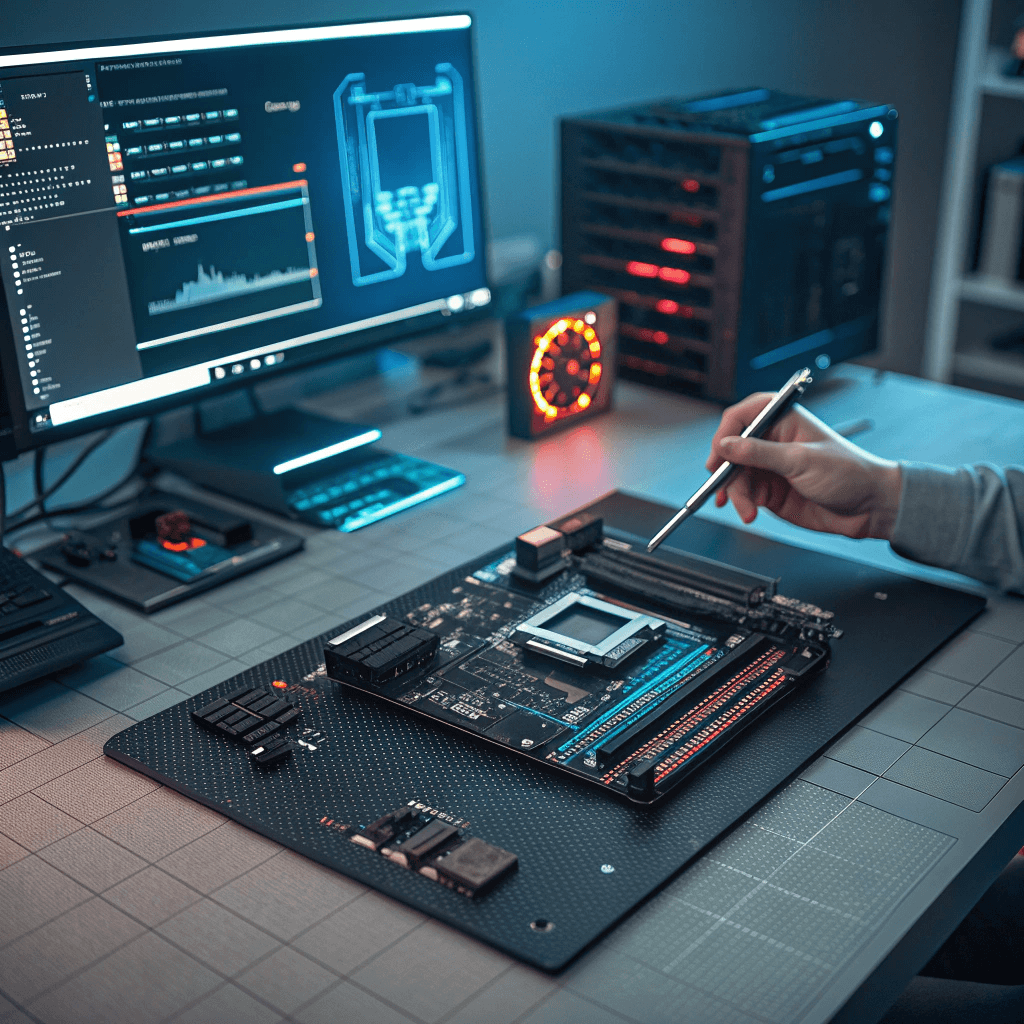
Introduction to personal computer hardware and its components
A personal computer relies on essential PC components working together to perform tasks efficiently. For instance, understanding the computer motherboard function helps you identify issues early and maintain optimal system performance. Each part, including the CPU, RAM, storage drives, graphics card, and power supply, plays a critical role in computer operations. Moreover, recognizing signs of failing PC components such as unusual noises or system freezes allows preventive action. Storage failures like storage drive failure or SSD vs HDD problems can lead to data loss, making timely intervention essential. Peripheral devices, including keyboards, mice, and monitors, also require proper care.
In addition, using hardware diagnostics tools provides insights into performance and potential failures. Monitoring boot sequence errors and POST error codes ensures system health. Understanding BIOS settings improves startup reliability and troubleshooting efficiency. Ultimately, mastering personal computer hardware and troubleshooting empowers users to maintain a stable, high-performing computer environment while reducing unexpected downtime.
Understanding troubleshooting and why it is important for PCs
Troubleshooting systematically identifies, diagnoses, and resolves hardware problems. For example, using the right tools allows users to address Windows hardware errors, computer power issues, or PC peripheral problems before they disrupt workflow. Recognizing signs of failing PC components, like slow performance or unresponsive devices, helps target the root cause. Consequently, users save time and repair costs while keeping their systems reliable.
Moreover, knowing what causes PC overheating, identifying graphics card issues, and performing power supply diagnostics are critical steps. Employing best tools for PC hardware diagnostics ensures accurate evaluation. Following steps to check motherboard issues or how to fix RAM issues allows quick resolution of common faults. Therefore, a structured approach reduces downtime, improves performance, and extends the lifespan of your computer hardware.
Motherboard overview and common motherboard issues
The motherboard connects all PC components, allowing communication between the CPU, RAM, storage devices, and peripherals. For instance, failed capacitors, damaged traces, or faulty BIOS firmware can prevent the system from booting. Monitoring motherboard signal errors and following steps to check motherboard issues ensures early detection. Moreover, using hardware diagnostics tools helps identify subtle problems before they escalate.
Regular inspection prevents PC build compatibility issues during upgrades. Similarly, improper CPU seating, damaged RAM slots, or loose cables can appear as boot sequence errors or Windows hardware errors. Adjusting BIOS settings and updating firmware avoids misdiagnosis of failures. Consequently, understanding motherboard functionality enables proactive troubleshooting, reducing the risk of crashes and improving system stability.
CPU functions and detecting CPU problems
The CPU controls all system operations and processes instructions efficiently. For example, CPU upgrades and issues can cause slow performance, overheating, or unexpected shutdowns. Monitoring how to test CPU health helps detect faults early. Moreover, proper installation and cooling prevent PC overheating causes, which can damage multiple components.
CPU problems impact overall system stability. Similarly, verifying motherboard compatibility, observing performance under load, and managing BIOS settings prevent further failures. Following structured guidance on how to fix boot errors on PC ensures smooth recovery. Consequently, timely maintenance and monitoring of CPU health enhance system responsiveness and prevent costly repairs.
RAM overview, symptoms of RAM faults, and fixes
RAM supports temporary data storage and affects system speed. For instance, RAM troubleshooting identifies memory errors causing crashes, freezes, or slow application performance. Using diagnostic tools guides how to diagnose hardware failure in PC and detect faulty modules. Moreover, replacing or reseating RAM resolves common issues.
Proper RAM installation ensures system stability and prevents system crash causes. Similarly, monitoring PC overheating causes protects memory from heat damage. Considering PC build compatibility during upgrades avoids conflicts. In addition, following hardware maintenance tips like cleaning slots prolongs memory life. Consequently, structured RAM troubleshooting reduces downtime and improves overall PC performance.
Hard drives and SSDs and how to troubleshoot storage issues
Storage drives, including HDDs and SSDs, hold data and programs essential for computing. For example, storage drive failure can lead to permanent data loss if unaddressed. Monitoring SMART status and using diagnostic tools ensures drive health. Moreover, understanding SSD vs HDD problems allows targeted troubleshooting for slow read/write speeds or boot issues. Users can restore data following restoring data after system failure protocols.
Proper storage maintenance prevents unexpected downtime. Similarly, unusual noises from HDDs or sudden SSD write failures signal urgent issues. Ensuring correct power connections and firmware updates reduces risks. Consequently, using hardware diagnostics tools combined with preventive strategies maintains reliable storage performance and data security.
Graphics cards and display hardware problems
Graphics cards manage visual output for games, design, and video rendering. For example, graphics card issues may appear as screen artifacts, crashes, or black displays. Monitoring PC overheating causes is critical, as overheating damages the GPU. Moreover, driver updates and connection checks ensure proper function.
Compatibility with the motherboard and PSU is essential. Similarly, following how to troubleshoot graphics card issues prevents further damage. Early detection using hardware diagnostics tools enables timely repair or replacement. Consequently, maintaining graphics hardware ensures stable visual performance and supports heavy computing tasks effectively.
Power supply issues and basic troubleshooting
The PSU provides stable power for all components. For example, computer power issues often result from faulty PSUs or inconsistent voltage. Testing output and verifying connections addresses what to do when PC won’t power on. Moreover, ensuring proper wattage and efficiency prevents stress on the system.
Power fluctuations can affect CPU, GPU, and storage. Similarly, multimeters and PSU testers help detect faults. Following hardware maintenance tips like cleaning dust and maintaining airflow prolongs PSU life. Consequently, understanding PSU function ensures reliable operation and reduces the risk of hardware failures.
POST codes and startup diagnostics
POST codes monitor hardware during boot. For instance, beep codes and LED indicators reveal faults in RAM, CPU, or motherboard. Following how to interpret POST error codes enables quick troubleshooting. Moreover, regular monitoring reduces boot sequence errors and system downtime.
Startup diagnostics confirm component recognition and correct installation. Similarly, monitoring Windows hardware errors ensures persistent failures are addressed. Using hardware diagnostics tools improves accuracy in detecting problems. Consequently, understanding POST codes saves time, reduces unnecessary replacements, and enhances system stability.
Common PC startup problems and how to solve them
Startup failures like blank screens, reboots, or BIOS errors indicate hardware or firmware issues. For example, checking motherboard signal errors, RAM, CPU, and storage helps identify the cause. Following how to fix boot errors on PC ensures efficient recovery. Moreover, peripheral and software conflicts can mimic hardware failure.
Using best tools for PC hardware diagnostics streamlines problem identification. Similarly, monitoring computer power issues prevents repeated failures. Early detection of signs of failing PC components avoids extended downtime. Consequently, systematic troubleshooting guarantees smoother startup and stable operation.
Overheating, cooling, and preventing hardware damage
Excess heat reduces component longevity. Monitoring PC overheating causes is essential. For instance, cleaning dust, improving airflow, and applying thermal paste prevent hardware damage. Following how to prevent PC hardware failure strategies ensures stable operation. Moreover, using sensors and software helps track abnormal temperatures.
Upgrading fans or implementing liquid cooling addresses severe heat issues. Similarly, preventive maintenance extends CPU, GPU, and RAM life. Consequently, maintaining proper cooling reduces system crash causes and supports consistent PC performance.
Keyboard, mouse, audio, and other peripheral issues
Peripheral devices enable user interaction. For example, PC peripheral problems may include unresponsive keyboards, laggy mice, or audio failures. Troubleshooting involves connection checks, driver updates, and how to clean PC hardware safely. Moreover, diagnosing driver conflicts prevents recurring issues.
Peripheral faults can indicate deeper system problems. Similarly, regular inspection and proper handling extend hardware lifespan. Consequently, maintaining peripherals ensures smooth operation, higher productivity, and minimal interruptions.
Tools and utilities for hardware diagnostics
Various hardware diagnostics tools detect issues in CPU, RAM, storage, and GPU. For example, memory testers, benchmarking, and monitoring software aid how to diagnose hardware failure in PC. Moreover, combining physical testing with software improves accuracy.
Advanced tools like multimeters, POST cards, and thermal sensors support precise diagnosis. Similarly, using best tools for PC hardware diagnostics ensures timely identification of faults. Consequently, regular diagnostics improve reliability and prevent unexpected downtime, enhancing overall PC performance.
Step-by-step troubleshooting methodology
Structured troubleshooting involves symptom observation, isolation, and repair. For instance, checking signs of failing PC components and following how to troubleshoot PC hardware problems ensures systematic resolution. Moreover, documenting results prevents repeat issues.
Testing each component and employing hardware diagnostics tools ensures accurate evaluation. Similarly, following steps to check motherboard issues and assessing CPU, RAM, and storage improves efficiency. Consequently, structured troubleshooting reduces downtime and prolongs hardware lifespan.
Preventive maintenance tips to extend hardware life
Regular maintenance prevents failures and improves performance. For example, cleaning dust, monitoring PC overheating causes, and updating drivers reduces hardware wear. Following hardware maintenance tips ensures long-term stability. Moreover, planning upgrades with PC build compatibility in mind prevents conflicts.
Routine inspections, power checks, and peripheral maintenance support reliable operation. Similarly, preventive strategies reduce system crashes and enhance performance. Consequently, consistent care maximizes component lifespan, ensures stable computing, and minimizes unexpected failures.
Conclusion
Mastering personal computer hardware and troubleshooting equips users to prevent downtime, enhance performance, and address hardware failures effectively. For instance, employing hardware diagnostics tools and upgrade PC troubleshooting strategies ensures CPUs, RAM, and storage drives function efficiently. Moreover, preventive maintenance reduces repair costs and prolongs computer lifespan. Consequently, proactive monitoring and structured troubleshooting support smooth operation and productivity. Ultimately, understanding PC components and following best practices gives users confidence to manage hardware issues and maintain a reliable, high-performing system.
FAQ’s
What are the most common causes of personal computer hardware failure?
Hardware failures result from overheating, power surges, worn components, or physical damage. Moreover, issues with CPU, RAM, storage drives, or graphics cards often cause system instability. Consequently, early detection using monitoring tools prevents downtime and extends component life.
How can I troubleshoot PC hardware problems effectively?
Effective troubleshooting involves observing symptoms, running hardware diagnostics tools, and isolating faulty components. For example, checking CPU, RAM, motherboard, and storage health ensures accurate repair. Consequently, a structured approach reduces errors and improves efficiency.
What steps should I take when my PC won’t start?
First, check PSU, power connections, and motherboard signal errors. Then verify CPU and RAM seating. Moreover, using POST codes or diagnostic software helps detect failures quickly. Consequently, early intervention minimizes data loss and hardware damage.
How do I prevent personal computer hardware issues?
Regular maintenance, dust cleaning, temperature monitoring, and driver updates reduce risks. Similarly, checking all PC components and using upgrade PC troubleshooting strategies extends hardware life. Preventive diagnostics ensure stable performance and fewer failures.
Which tools are essential for PC hardware diagnostics?
Memory testers, multimeters, thermal sensors, and software suites provide full analysis. For example, using best tools for PC hardware diagnostics allows early detection of faults. Consequently, repairs are targeted and system performance remains optimal.
