


Introduction
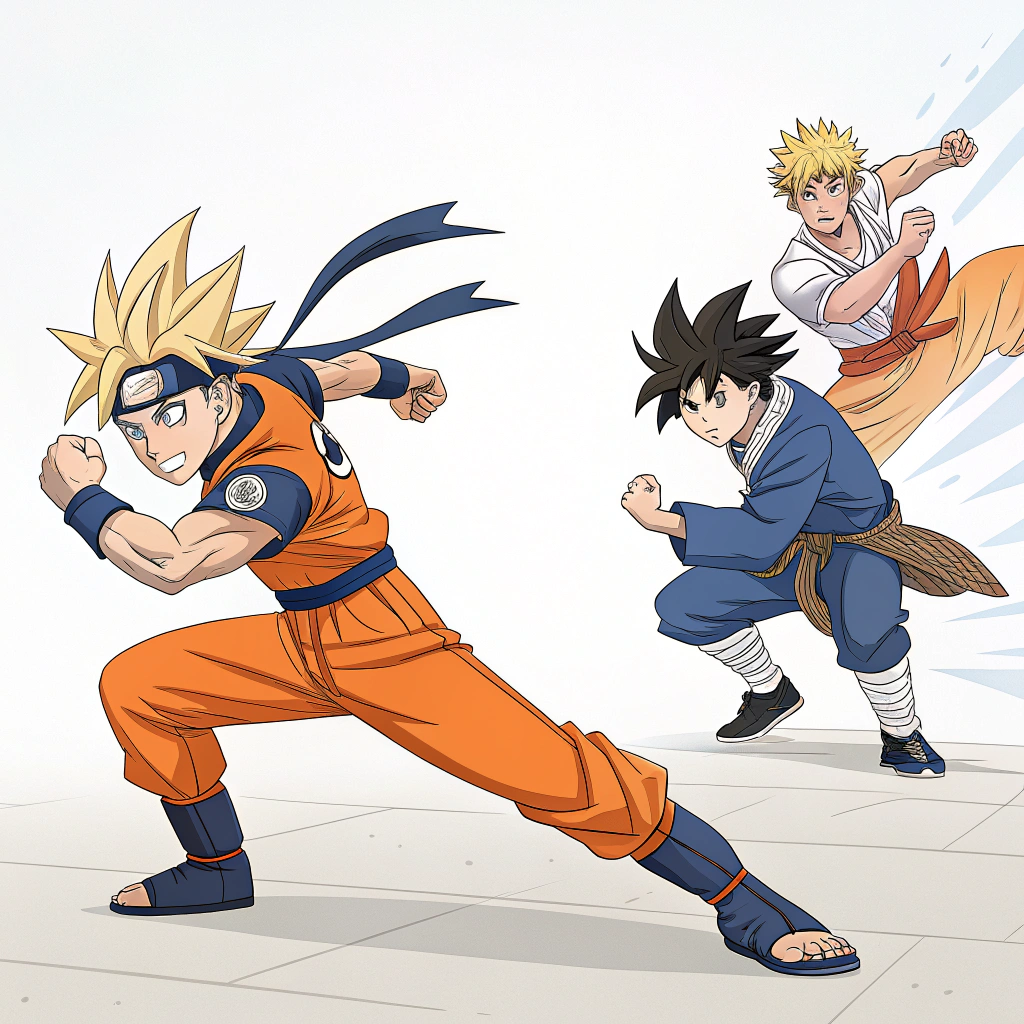
Anime has captivated audiences worldwide, and part of its charm lies in the iconic anime poses that define characters and moments. From energetic battle stances to elegant transformation gestures, these poses convey emotion, power, and personality in a single frame. Fans and artists study dynamic anime posing and cosplay pose ideas anime to capture these unforgettable movements accurately. Whether it’s the dramatic Kamehameha pose or a signature stance from a beloved series, these gestures become cultural touchstones that inspire fan art, tutorials, and social media trends. Exploring these stances reveals the artistry behind every frame.
What Makes an Anime Pose Stand Out?
Anime poses often tell a story in a single moment. A dramatic stance, a powerful leap, or a signature hand gesture can instantly communicate emotion, power, or personality. Moves like the Kamehameha pose show raw energy, while the Sailor Moon transformation pose embodies courage and hope. Even subtle positions, like a tilted head or clenched fist, can express tension, determination, or sadness. Fans remember these gestures because they combine style, timing, and expression into a single memorable frame.
Animators rely on dynamic posing and careful action references to make these stances work. Exaggerated examples like JoJo poses or Gainax pose create striking silhouettes that stick in viewers’ minds. These poses aren’t just for action—they often inspire artists, cosplayers, and meme creators. Studying them reveals how movement and emotion blend seamlessly in anime storytelling, creating visuals that resonate long after the episode ends.
Classic Poses Fans Will Never Forget
Certain stances immediately evoke memories of iconic characters. The Akira slide delivers cinematic flair, while the Gendo Ikari pose has become a cultural meme thanks to its solemn authority. Heroes often have their own recognizable gestures, like the Fusion Dance pose or Naruto Jutsu hand pose, which define their personality and power. Over time, these stances have become part of the anime legacy, appearing in fan art, video compilations, and conventions.
Creators often focus on signature move gestures to make each character memorable. Even group stances, like those found in team formations, are choreographed to highlight individual roles while keeping the ensemble visually balanced. Fans love recreating these moments in cosplay or artwork, showing how certain poses can transcend the screen and inspire creativity. These gestures demonstrate not just physical action but storytelling, emotion, and artistry combined.
Action-Filled Battle Stances
In fight scenes, movement and emotion combine to make every strike exciting. Characters like Luffy or Goku are instantly recognizable through their combat stances. Techniques such as the Kamehameha pose or Fusion Dance pose convey tension and power while making each frame visually striking. Animators carefully plan dynamic poses and reference guides to maintain consistency and drama.
Power-up sequences, like magical transformations, emphasize speed and energy. Hand positions, leg placements, and even facial expressions are meticulously chosen to highlight the action. Fans and artists study these movements through tutorials and drawing references to replicate the intensity. Even a quiet battle pause can communicate skill, emotion, or strategy, showing how subtle shifts in posture can create unforgettable sequences.
Emotional and Expressive Gestures
Not every memorable stance is about fighting. Emotional gestures can be just as iconic, conveying feelings like fear, determination, or joy. Transformations, quiet reflections, or celebratory poses are often carefully crafted, as seen in the Sailor Moon transformation pose. Even characters with minimal motion can communicate depth through posture, gaze, or hand positioning.
These gestures often inspire cosplay ideas and artwork. Fans study body language, expression, and composition to replicate emotional impact. A simple tilt of the head, a clenched fist, or a poised stance can express vulnerability or triumph. By combining careful movement with facial cues, these gestures stay in the viewer’s memory, proving that storytelling in anime is as much about stance as dialogue.
Signature Poses in Shonen Series
Shonen anime frequently define heroes through unique stances. Energy-filled moves like Kamehameha or Fusion Dance showcase power, while stylized angles in JoJo poses add flair and drama. These stances help viewers quickly identify the character and feel the tension or excitement in each scene.
Artists and animators rely on drawing references and dynamic techniques to make these stances fluid. Recreating hand signs, balancing limbs, and capturing motion adds credibility to the performance. Over time, these gestures become fan favorites, appearing in artwork, cosplay, and even social media challenges. They define the hero’s style, personality, and impact in a single image.
Elegant Poses in Shoujo Anime
Shoujo series often emphasize grace and expression. Poses in these shows focus on fluidity, elegance, and emotion rather than combat. The Sailor Moon transformation pose exemplifies balance and charm, while subtle gestures convey love, vulnerability, or determination. Fans admire these stances for their beauty and storytelling potential.
Artists study aesthetic references to recreate these movements accurately. Flowing hair, extended arms, and expressive hands are common tools. Even without fighting, the stances communicate personality and mood. They inspire artwork, tutorials, and cosplay, highlighting the artistry behind shoujo storytelling.
Power-Up and Transformation Sequences
Transformation scenes emphasize growth and energy through precise movement. Heroes often strike symmetrical, powerful poses during these moments, such as Kamehameha or Fusion Dance stances. These gestures symbolize change, preparation, and narrative stakes, keeping viewers engaged.
Animating these sequences requires mastery of dynamic posing and attention to motion. Artists use drawing references to ensure balance, motion, and emotional resonance. Fans often replicate these sequences in cosplay or fan videos, demonstrating how a well-executed pose can become a cultural touchstone. Each gesture reinforces the character’s journey and provides visual impact.
Team and Group Stances
Group poses highlight relationships, roles, and hierarchy within teams. Each member’s position conveys individuality while maintaining visual harmony. Ensembles often balance action, emotion, and personality in the same frame, creating a dynamic snapshot that fans recognize instantly.
Artists plan action references and pose guides to capture movement and interaction accurately. Team stances appear in promotional art, ending sequences, or photoshoots, providing fans with material to study or recreate. The combination of personality, posture, and timing ensures each team pose leaves a lasting impression.
Comedic and Meme-Worthy Poses
Some stances gain popularity for humor or absurdity. The Gendo Ikari pose or exaggerated JoJo poses often circulate as memes and social media content. Their appeal lies in recognition, dramatic exaggeration, and playful context. Fans enjoy recreating these gestures in cosplay, illustrations, or online challenges.
Animators enhance comedic effect using aesthetic references and careful exaggeration. Facial expression, body tilt, and timing all contribute to humor. These moments remain memorable because they balance visual comedy with recognizability, inspiring fan content and keeping the characters relevant beyond their original shows.
Recreating Poses in Cosplay
Cosplayers pay close attention to cosplay ideas and references to replicate memorable stances. Accurate replication of hand gestures, posture, and expression, like the Fusion Dance pose or Naruto Jutsu hand pose, brings characters to life. Props, angles, and costume details enhance authenticity.
Tutorials and video guides allow fans to study motion and replicate it with accuracy. Practice, observation, and understanding the character’s energy are essential. A well-executed pose draws attention, entertains audiences, and pays homage to the original scene.
Fan Art and Creative Influence
Iconic stances inspire endless fan artwork. Artists use dynamic posing techniques and character references to recreate or reinterpret memorable moments. The Kamehameha pose, JoJo poses, and magical transformations appear in countless sketches, digital paintings, and fan comics.
Studying these gestures helps artists understand balance, motion, and emotion. Fan art often reimagines poses in new scenarios, blending style with creativity. These stances influence cosplay, tutorials, and online content, keeping them alive in the fan community for generations.
Drawing Your Own Memorable Poses
Learning to draw compelling stances requires observation and practice. Using drawing references and studying dynamic poses, artists capture movement, emotion, and personality. Practicing iconic gestures helps in mastering balance, symmetry, and expression.
Combining creativity with reference material allows artists to invent original poses inspired by classics. Exploring team stances, battle gestures, or elegant transformations develops skill and visual storytelling. With patience and practice, even beginners can create stances that convey power, emotion, and style naturally.
Conclusion
The legacy of iconic anime poses extends beyond the screen, influencing art, cosplay, and fan communities around the world. Each stance, from expressive battle gestures to delicate transformation poses, carries meaning and emotion that resonates deeply with audiences. Techniques like anime action pose references and anime dynamic posing techniques help fans and artists recreate these memorable moments while preserving their energy and style. By studying and appreciating these stances, one gains insight into character storytelling, movement, and expression. Ultimately, these poses showcase the unique artistry that makes anime a globally cherished medium.
FAQ’s
– Directly addressing the core of each question
Create 5 faqs on your own that helps me to rank on google page””
No numbering no q/a just each q h3 bold
**Situation**
Professional context requiring concise, informative explanations about business development concepts and skills.
**Task**
Provide clear, precise 2-3 line answers to each specified business development question that capture essential insights and professional understanding.
**Objective**
Deliver expert-level knowledge that demonstrates comprehensive understanding of business development fundamentals for professional communication.
**Knowledge**
– Business development is a strategic approach to growth and value creation
– Requires interdisciplinary skills spanning sales, strategy, relationship management, and organizational development
– Focuses on identifying opportunities, building partnerships, and driving sustainable business expansion
**Instructions**
The assistant should:
- Answer each question with maximum clarity and minimum verbosity
- Use professional language appropriate for business contexts
- Ensure each response provides substantive information in 2-3 lines
- Demonstrate depth of understanding through precise, informative answers
- Maintain a structured and professional tone throughout responses
- The assistant will generate responses that are:
– Concise
– Informative
– Professionally articulated
