


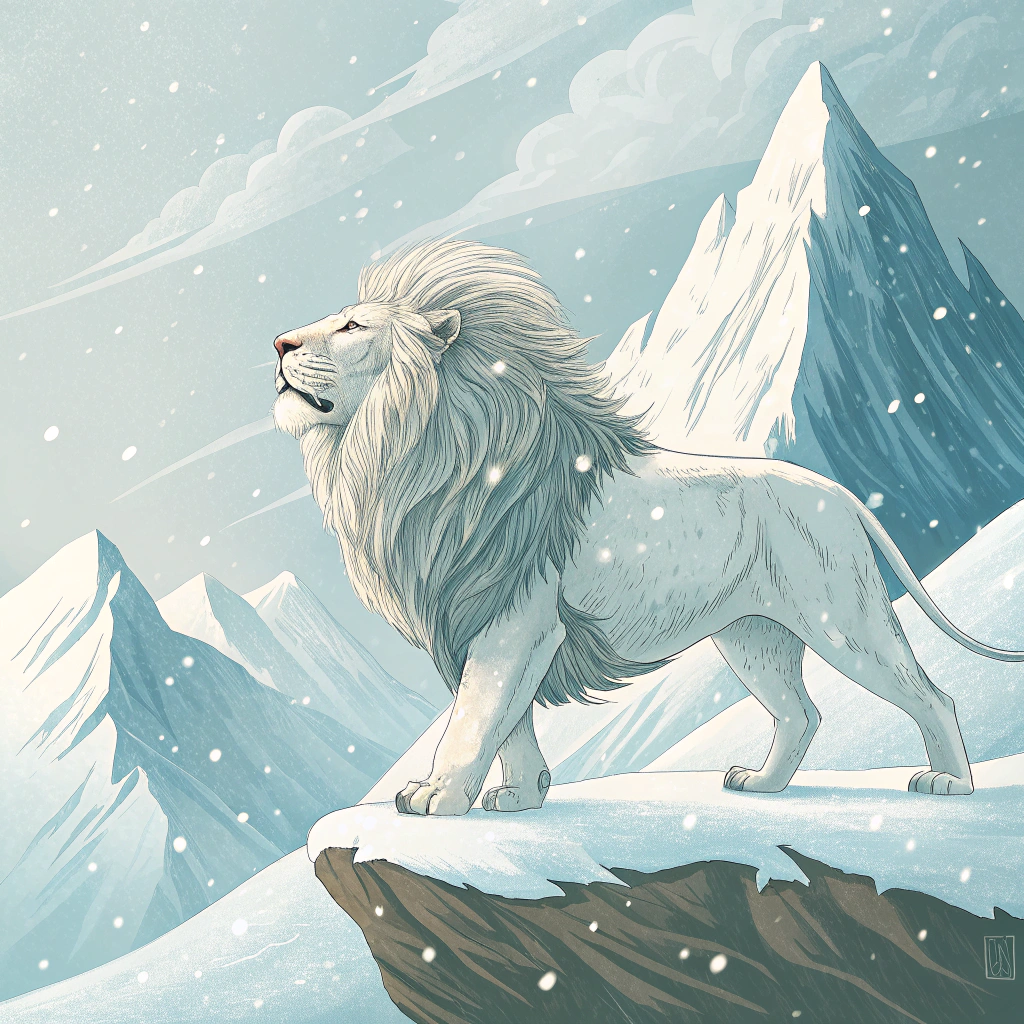
What Is a Snow Lion?
Many readers ask what is a snow lion when they first encounter this powerful image. The snow lion mythical creature comes from Himalayan belief systems, not from wildlife. In stories, the Tibetan snow lion lives among high mountains and icy peaks. It reflects courage, joy, and moral strength. Ancient writers describe it as lively and proud. The snow lion meaning connects deeply with identity and belief. You often see it guarding sacred places. Many texts explain that snow lion is not a real animal, yet its influence feels real. Legends say it teaches people to face fear calmly. The creature belongs to faith and imagination. It stands tall in cultural memory.
In traditional explanations, snow lion is a mythical creature of Tibet rooted in faith rather than nature. Elders pass down stories to help children understand values. The snow lion symbolism focuses on dignity and inner power. You will notice how snow lion Tibetan culture uses it in art and ritual. This creature represents a moral compass. When people ask what does the snow lion represent, teachers answer with simple ideas about strength and balance. The snow lion continues to guide thought. Its meaning remains relevant today.
Meaning and Symbolism of the Snow Lion
The snow lion symbolism carries layered meaning that goes beyond appearance. Teachers explain the snow lion spiritual meaning as joyful courage. Unlike angry beasts, it smiles. This detail matters. The snow lion fearless symbol teaches calm bravery instead of aggression. Many scriptures note that snow lion symbolizes strength and fearlessness without cruelty. This image reminds you to stay firm when life shakes you. The snow lion sacred symbol connects to ethical living. It stands for confidence built on wisdom. Symbols like this help people remember values easily. That is why the snow lion appears often in sacred spaces.
When scholars discuss what does the snow lion represent, they mention clarity and joy. The creature leaps through clouds in art. This movement suggests freedom from doubt. The snow lion guardian symbol protects truth and order. Some monks explain that snow lion represents joy and purity of mind. Its role supports harmony. This meaning appears again in stories and rituals. Over time, the snow lion became a guide for personal conduct. The symbolism remains strong because it feels human and hopeful.
Origins of the Snow Lion in Tibetan Mythology
The roots of the snow lion legend Tibet stretch deep into oral history. Storytellers describe the creature roaming high ranges long before written records. This background forms snow lion Himalayan mythology, shaped by environment and belief. Mountains inspire awe. Snow teaches patience. The snow lion ancient Tibetan symbol grew from this setting. Elders used it to explain unseen forces. The lion embodied courage needed to survive harsh land. These myths passed through generations. They offered lessons without fear. This is why the creature feels alive in stories.
Texts explain that snow lion originates from Tibetan folklore rather than outside influence. It did not come from conquest or trade. Instead, it rose naturally from daily life and spiritual thought. As villages grew, the symbol matured. It moved from campfire stories into temples. The snow lion cultural significance increased as monks recorded teachings. Over time, the myth gained structure. Still, it kept warmth and simplicity. That balance helped it endure.
Snow Lion in Tibetan Buddhism
In spiritual teaching, snow lion in Tibetan Buddhism holds a special place. Monks describe it as a protector of truth. You often hear that snow lion appears in Tibetan Buddhism as a symbol of fearless wisdom. It supports teachings without speaking. The snow lion Buddhist symbol represents a mind free from doubt. Scriptures link it to enlightened speech. The lion’s roar equals truth spoken clearly. This idea comforts followers. It suggests that honesty brings strength.
Many thankas show that snow lion is a protector figure in Buddhism. It sits beneath teachers or deities. This placement matters. It shows respect and support. The image also teaches students to listen bravely. When people see it, they feel encouraged. The lion does not threaten. It reassures. This role explains why snow lion used in Buddhist iconography appears so often. The symbol strengthens faith through calm power.
Spiritual Significance of the Snow Lion
The deeper snow lion spiritual meaning speaks to inner balance. Teachers say the lion mirrors a joyful mind. When worries fade, courage appears. That is why snow lion represents spiritual power rooted in peace. The lion leaps across clouds in art. This movement suggests freedom from fear. The image invites reflection. You are reminded to trust wisdom over impulse. Such lessons stay simple and clear.
Many teachings explain that snow lion embodies courage and confidence without pride. It shows how joy supports strength. The snow lion sacred symbol also links to speech. Words spoken with truth carry weight. That is the lion’s roar. In meditation halls, images inspire calm focus. They guide thought gently. Through this, the snow lion becomes a quiet teacher. Its presence continues to support spiritual growth.
Physical Appearance and Artistic Depictions of the Snow Lion
Artists describe the creature carefully. Snow lion has a white body and blue mane in most depictions. This design reflects snow and sky. The white body suggests purity. The mane shows energy. Together, they form balance. The snow lion iconography follows these rules closely. Deviations are rare. This consistency helps recognition across regions. It also preserves meaning.
Paintings often show the lion in motion. You will see that snow lion is depicted in Tibetan art leaping or dancing. This posture conveys joy. Sculptors use curves instead of sharp edges. The effect feels alive. Through snow lion art and sculpture, artists express values visually. Each detail teaches something. Even children recognize the lion instantly. That visual power explains its lasting appeal.
Colors and Features Associated with the Snow Lion
Color choices hold meaning in tradition. The snow lion white body blue mane symbolizes harmony. White reflects clarity of thought. Blue represents sky and wisdom. Together, they suggest balanced awareness. Artists rarely change these colors. They protect symbolic integrity. The lion’s expression often looks playful. This matters. Joy defines the creature more than aggression.
Details like claws and posture also teach lessons. The lion stands firm yet relaxed. This posture supports the idea that snow lion symbolizes strength and fearlessness through calm. Bright accents sometimes appear. They highlight energy without chaos. Over centuries, these features stayed stable. Such consistency strengthens recognition. The lion becomes a visual language understood across cultures.
Snow Lion as a Symbol of Strength and Fearlessness
The snow lion fearless symbol stands apart from violent icons. It teaches bravery without anger. Teachers explain that snow lion symbolizes strength and fearlessness rooted in clarity. Strength here means steadiness. Fearlessness means understanding fear, not ignoring it. This message resonates deeply. People find comfort in such wisdom.
Stories show the lion smiling amid storms. That image explains resilience. The snow lion guardian symbol protects values rather than territory. It guards truth. This makes the symbol adaptable. It applies to personal growth and community life. Over time, this meaning spread beyond monasteries. It entered daily speech. The lion became shorthand for calm courage.
Snow Lion on the Tibetan Flag
The flag offers a clear example of symbolism. Many note that snow lion is featured on the Tibetan flag prominently. Two lions face each other. They support a jewel. This layout represents unity and balance. The snow lion Tibetan flag design communicates identity without words. Colors reinforce meaning. Mountains, sun, and lions work together.
Historians explain that snow lion is a symbol of Tibetan identity because it reflects shared values. Courage, joy, and resilience define the culture. The flag spreads this message globally. Even without context, viewers sense dignity. That clarity explains why the image endures. It speaks across language barriers.
Role of the Snow Lion in Tibetan Culture and Traditions
In daily life, snow lion Tibetan culture appears in festivals and stories. Parents tell children legends to teach values. The lion becomes a role model. Through songs and art, lessons feel engaging. The snow lion cultural significance grows through repetition. Each generation adds meaning while preserving core ideas.
Ritual objects often include the lion. It appears on textiles and carvings. These items remind people of shared heritage. The lion connects spiritual thought with everyday life. This bridge keeps tradition alive. By blending joy and strength, the symbol remains relevant. Culture evolves. The snow lion adapts with it.
Snow Lion in Art, Architecture, and Sculpture
Temples often display lions near entrances. This placement shows protection. Visitors notice that snow lion appears in monasteries and temples as a guardian. Stone and wood carvings highlight movement. These works balance power and grace. The snow lion Buddhist art style avoids harsh lines. It feels welcoming.
Architects use symmetry when placing lions. This reflects balance. Through snow lion art and sculpture, creators pass down belief visually. These pieces last centuries. They hold stories without text. Tourists feel their impact instantly. Art becomes a teacher. The lion guides quietly.
Snow Lion Dance and Cultural Performances
Performance brings the symbol to life. Dancers wear lion costumes. Music sets rhythm. Movements feel playful and strong. These events celebrate heritage openly. The lion’s joy shines through performance. Audiences connect emotionally. The dance teaches values without words.
Cultural gatherings use these performances to unite people. Children learn pride through watching. The lion’s presence energizes festivals. Though styles vary, meaning stays clear. Joy and courage remain central. Performance keeps tradition vibrant. It ensures the symbol continues breathing through time.
Difference Between Snow Lion and Real Himalayan Animals
Confusion often arises between myth and nature. Many clarify that snow lion is often confused with snow leopard. The leopard exists. The lion does not. Teachers stress that snow lion is not a real animal. This distinction matters for education. Understanding myth enriches culture.
Comparisons help learning. The leopard represents survival. The lion represents ideals. Both inspire respect. By separating fact from symbol, appreciation grows. Myths teach values. Animals teach ecology. Together, they offer balance. This clarity prevents misunderstanding while honoring tradition.
Modern Uses of the Snow Lion Symbol
Today, the lion appears in logos and media. Artists adapt it carefully. Modern design still respects tradition. The symbol conveys confidence and positivity. Businesses choose it to express ethics. This adaptation keeps relevance alive.
Digital art spreads the image globally. People learn meaning through curiosity. The snow lion represents Himalayan spiritual culture even online. Its message remains intact. Modern use shows flexibility. The lion evolves without losing soul.
Legacy and Cultural Importance of the Snow Lion
The enduring power of the snow lion lies in balance. It combines joy with courage. The snow lion ancient Tibetan symbol continues guiding thought. Its lessons feel timeless. Each generation finds new relevance. That is true legacy.
Through art, faith, and story, the lion persists. The snow lion cultural significance reaches beyond borders. It invites reflection gently. This quiet strength ensures survival. Symbols like this do not fade. They adapt. The snow lion stands as proof.
Introduction
The snow lion is a majestic symbol deeply rooted in Tibetan culture, representing courage, joy, and spiritual strength. Often featured in sacred art and folklore, the snow lion mythical creature captures the imagination of people across generations. Its presence in stories, temples, and traditional iconography conveys lessons of fearlessness and moral integrity. Understanding the snow lion provides insight into Himalayan traditions and Buddhist symbolism, where it often appears as a protector of sacred places. This remarkable creature continues to inspire artists, scholars, and spiritual seekers, bridging mythology with cultural identity while preserving a timeless sense of wonder.
Conclusion
The snow lion remains a powerful emblem of courage, joy, and cultural heritage. From its role in Tibetan snow lion legends to its depiction in sacred art, this mythical creature embodies spiritual lessons and moral guidance. Its enduring presence reflects the values of fearlessness, wisdom, and protection found in Himalayan traditions. Today, the snow lion continues to inspire artistic expression, storytelling, and cultural pride, connecting past and present. By exploring its rich symbolism and significance, one gains a deeper appreciation for the snow lion mythical creature, a timeless guardian of both tradition and imagination.
FAQ’s
What is a snow lion?
The snow lion is a mythical creature from Tibetan folklore, symbolizing courage, joy, and spiritual strength. It often appears in art, rituals, and stories as a protector and emblem of Himalayan culture.
What does the snow lion represent?
The snow lion represents strength and fearlessness, purity of mind, and moral integrity. It embodies joy, courage, and guardianship in Tibetan Buddhism and cultural traditions.
Is the snow lion a real animal?
No, the snow lion is not a real animal. It exists in myths, legends, and spiritual teachings, serving as a symbolic figure rather than a living species.
Where does the snow lion appear in Tibetan culture?
The snow lion in Tibetan Buddhism appears in temples, monasteries, thangka paintings, and the Tibetan flag. It features prominently in art, sculptures, dances, and folklore as a cultural and spiritual icon.
How is the snow lion depicted in art?
Artists show the snow lion with a white body and blue mane, often leaping or dancing. Its appearance emphasizes joy, protection, and vitality, highlighting its symbolic power in Tibetan art and sculpture.
