


Introduction
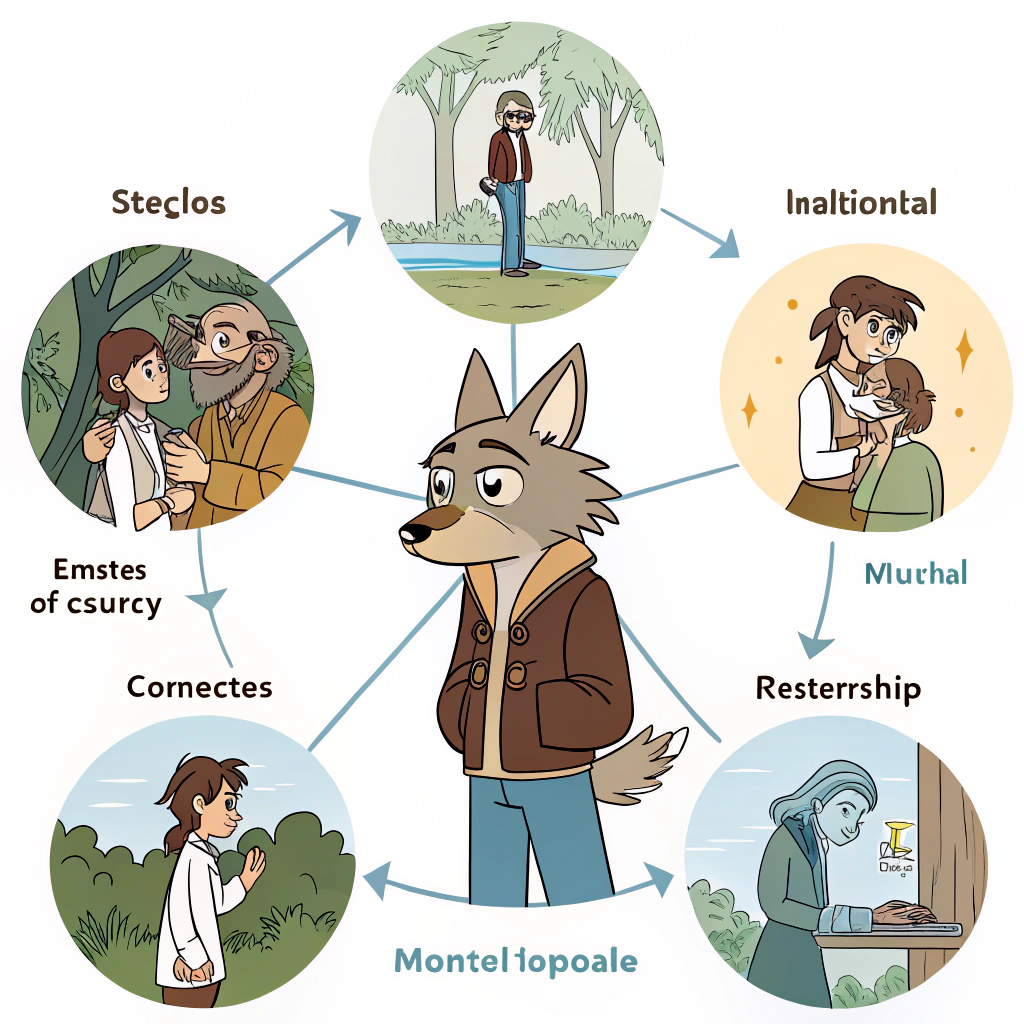
The world of Beastars arcs offers a rich exploration of emotional growth, social tension, and complex relationships. Each storyline in the series carefully develops characters while revealing the intricate dynamics between species. Fans often look for Beastars story arcs and Legoshi character development arcs to understand how personal struggles influence the wider narrative. By following the progression of these arcs, readers gain insight into the challenges and moral dilemmas that define the story. Whether you are new to the series or revisiting familiar events, understanding the Beastars arcs provides a deeper appreciation of the characters’ journeys and evolving relationships.
What Are Beastars Arcs and Why They Matter
Story arcs in Beastars function like emotional chapters. Each one focuses on a different challenge while pushing the larger narrative forward. Readers often want to understand the order of these arcs because clarity helps everything make sense later. Without that structure, the story could feel fragmented.
The real strength of these arcs lies in progression. Early sections explore uncertainty and fear. Later ones confront responsibility and consequence. Small moments grow into turning points, and simple choices lead to lasting change. This gradual evolution adds depth and separates Beastars from more straightforward coming-of-age stories.
Overview of the Beastars Story and World
The series takes place in a society where carnivores and herbivores coexist under uneasy rules. On the surface, daily life looks calm and orderly. Beneath that calm, instinct constantly threatens control. Every interaction carries tension, even friendly ones.
World-building plays a huge role here. Locations don’t just serve as backgrounds. They reflect emotional states. Schools mirror social pressure. City streets reveal moral compromise. As the story moves forward, the world itself begins to feel alive, forcing characters to choose between safety and honesty again and again.
Drama Club Arc: The Beginning of Beastars
The drama club arc introduces conflict through subtlety rather than action. Cherryton Academy appears safe, yet fear quietly shapes behavior. The drama club becomes a place where students perform roles both onstage and off, hiding who they really are.
This arc highlights the clash between instinct and expectation. Characters learn how to mask emotions to survive socially. While the storyline feels calm, it plants deep questions about identity and control. Those questions continue to echo throughout the series, making this opening far more important than it first appears.
Meteor Festival Arc: Rising Tension and Relationships
The Meteor Festival arc shifts attention from fear to emotional exposure. Public celebration contrasts sharply with private struggle. Crowds feel warm and lively, yet individuals feel vulnerable. This contrast creates tension without relying on violence.
Relationships deepen during this phase. Characters face moments that force honesty, even when it hurts. The festival works like a spotlight, revealing hidden emotions and uncomfortable truths. Many fans connect with this arc because it balances tenderness with danger, proving the story can be gentle without losing intensity.
Murder Incident Solution Arc Explained
This arc introduces mystery and consequence. Comfort fades as questions take over. Suspicion spreads quickly, changing how characters view one another. Violence stops being abstract and becomes deeply personal.
Psychological tension drives this section. Fear, guilt, and denial shape every decision. The story also shows how society reacts differently depending on who is involved. After this arc ends, innocence is gone. Nothing feels simple anymore, and responsibility replaces curiosity as the driving force.
Interspecies Relations Arc and Character Growth
Life outside school brings new challenges. Rules feel less protective, and temptation grows stronger. Characters step into adulthood without clear direction, forcing them to rely on judgment rather than structure.
Growth becomes visible here. Choices start carrying real consequences. Relationships evolve through mistakes instead of ideal outcomes. The story emphasizes that peaceful coexistence requires effort and compromise. Progress comes slowly, shaped by failure as much as success.
Revenge of the Love Failure Arc (Final Arc)
The final arc delivers closure through chaos. Conflict reaches its peak, and morality becomes harder to define. Danger reshapes priorities, pushing characters to confront uncomfortable truths.
The presence of Melon intensifies everything. Fear reaches its extreme, and the story asks difficult questions about love, control, and understanding. Instead of offering easy answers, the ending invites reflection. That weight gives the conclusion power and respects the audience’s intelligence.
Complete List of Beastars Arcs in Order
Understanding the overall structure helps new readers follow the journey without confusion. Events flow naturally from school life into broader social responsibility. Each arc builds tension instead of resetting it.
The progression feels balanced. Early sections explore identity. Middle chapters focus on justice and accountability. Final moments confront lasting consequences. This structure rewards patience and encourages revisiting earlier scenes with fresh perspective.
Major Characters Development Across Beastars Arcs
Character growth sits at the heart of the series. Legoshi’s journey from fear to self-awareness unfolds slowly, making every change feel earned. His struggle feels honest because it mirrors real internal conflict.
Louis’s path explores leadership and vulnerability. Power doesn’t erase insecurity. It exposes it. Through failure, responsibility, and complicated relationships, both characters evolve naturally. Their growth proves that strength comes from courage, not perfection.
Dark Themes Explored in Different Beastars Arcs
Beastars never avoids darkness. Prejudice, violence, and denial appear naturally within everyday life. These themes don’t feel forced. They feel inevitable.
The struggle between desire and restraint reflects real social divisions. Instead of preaching, the story asks questions and lets you sit with discomfort. By weaving darkness into normal routines, the narrative stays grounded and emotionally honest.
Beastars Anime Arcs vs Manga Arcs
Adaptation changes how the story feels. The anime condenses events while maintaining emotional impact. Visual elements add mood and atmosphere, sometimes replacing internal dialogue.
Differences appear in pacing. Manga allows quiet moments to linger. Anime emphasizes emotion through sound and movement. Both formats succeed in different ways. Understanding these differences helps you choose the experience that fits you best.
Which Beastars Arcs Are Covered in the Anime Seasons
Anime seasons follow a clear progression. Early episodes focus on school life and personal conflict. Later seasons expand into broader social issues.
This structure makes the story accessible to new viewers. However, some details remain exclusive to the manga. Knowing this helps manage expectations. The anime works well as an entry point, while the manga offers deeper exploration.
Fan-Favorite Beastars Arcs and Popular Opinions
Fans rarely agree on favorites. Some prefer emotional intimacy. Others enjoy darker, high-stakes conflict. That variety reflects the story’s strength.
Discussions often praise arcs that balance character depth with thematic weight. Readers value honesty over spectacle. That consistent feedback explains why the series continues to resonate long after it ends.
Why Beastars Arcs Make the Series Unique
What truly sets Beastars apart is evolution. Ideas mature alongside characters. Nothing stays static. Lessons grow more complex over time.
Instead of repeating messages, each arc builds on the last. Solutions create new problems, just like real life. This realism makes the story memorable. It feels less like fiction and more like reflection.
Conclusion
Exploring the full scope of Beastars arcs highlights how each stage of the story shapes character growth and societal dynamics. By examining the Haru and Legoshi relationship arc alongside other pivotal moments, readers can see how challenges, choices, and consequences intertwine. The series demonstrates that emotional development and moral complexity evolve naturally over time. Understanding the Beastars arcs allows fans to appreciate both subtle character moments and major narrative shifts. Overall, the arcs provide a layered, compelling journey that balances tension, empathy, and reflection, leaving a lasting impact on audiences and enriching the series’ emotional and thematic depth.
FAQ’s
What are Beastars arcs and why are they important to the story?
Beastars arcs are structured story segments that guide character growth and plot development. They establish the progression of relationships, societal tensions, and moral dilemmas, helping readers understand the consequences of choices throughout the series.
How do Beastars arcs differ between the manga and anime?
The manga provides more detailed exploration of character psychology and subtle interactions, while the anime condenses events for pacing and visual storytelling. Key narrative moments remain, but the formats offer distinct experiences in emotional depth and nuance.
Which Beastars arcs focus most on character development?
Arcs like the Haru and Legoshi relationship arc and Legoshi character development arcs emphasize personal growth, moral struggles, and interpersonal dynamics, highlighting how individual decisions shape both identity and broader societal relationships.
What themes are explored across Beastars arcs?
Beastars arcs examine societal conflict, prejudice, and the tension between instinct and morality. They explore interpersonal dynamics, responsibility, and the challenges of coexistence between carnivores and herbivores in a nuanced, layered narrative.
How can understanding Beastars arcs enhance the viewing or reading experience?
Following the arcs in order clarifies plot connections, character motivations, and thematic evolution. Awareness of these arcs deepens engagement, allowing readers to appreciate both subtle character growth and major narrative developments across the series.
